When the colder months begin in Waco homeowners should pay close attention to their plumbing systems. Cold weather can strain pipes and lead to costly water damage if precautions are not taken in time. Winterizing pipes is one of the most effective steps you can take to protect your home and maintain smooth plumbing operations throughout the winter.
At Smelscer Plumbing we know that calendar changes also mean seasonal home care. This includes preparing plumbing for freezing temperatures that can cause pipes to crack burst or leak. A proper winterizing pipes routine not only prevents emergencies but also saves money and stress.
This comprehensive guide walks you through an essential preventive plumbing checklist you can follow step by step. From outdoor faucets to interior pipe inspection you will learn how to protect your plumbing and enjoy peace of mind all season long.
Why Winterizing Pipes Matters
Your home’s plumbing system is made up of a network of pipes that move water to and from fixtures and appliances. Water can expand as it freezes which increases pressure inside the pipe. If that pressure becomes too great the pipe can rupture.
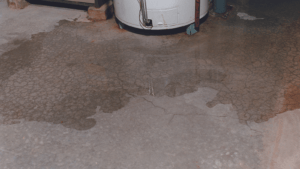
The consequences of burst pipes are significant. Water damage to floors ceilings insulation and wiring can be extensive. Cleanup costs and repair bills can be overwhelming.
Winterizing pipes helps prevent these issues before they start. Taking action now means you are investing in the long term health of your plumbing system.
When to Start Winterizing Pipes in Waco
Waco winters may not be as severe as in other regions but temperatures can still dip low enough to affect vulnerable pipes. The best time to start winterizing pipes is before temperatures begin to fall regularly at night.
Planning early gives you time to complete each step carefully. Waiting until the first freeze can leave you racing against the clock and increase the risk of damage.
A good rule of thumb is to begin preparation in late fall once the weather begins to change.
Essential Supplies for a Winterizing Pipes Checklist
Before starting your winterizing pipes routine gather the necessary supplies. Having everything ready makes the process simpler and more effective.
Here are some items you might need:
- Basic tools like pliers screwdrivers and wrenches
- Pipe insulation or foam sleeves
- Pipe wrap or heat tape Towels or rags
- Outdoor faucet covers
- Adjustable wrench
- Bucket Portable heater or hair dryer
- Weatherstripping and caulk
These tools and materials help you complete tasks efficiently and keep water from freezing inside vulnerable areas.
Step by Step Winterizing Pipes Checklist
Follow this preventive plumbing checklist to prepare your home for winter weather.
Inspect Your Plumbing System
Begin by inspecting visible pipes in basements crawl spaces garages and attics. Look for signs of corrosion cracks rust or moisture buildup. Early detection of weak spots prevents future problems.
While inspecting pay attention to areas where pipes run along exterior walls or unheated spaces. These areas are most likely to experience freezing temperatures.
Add Insulation to Vulnerable Pipes
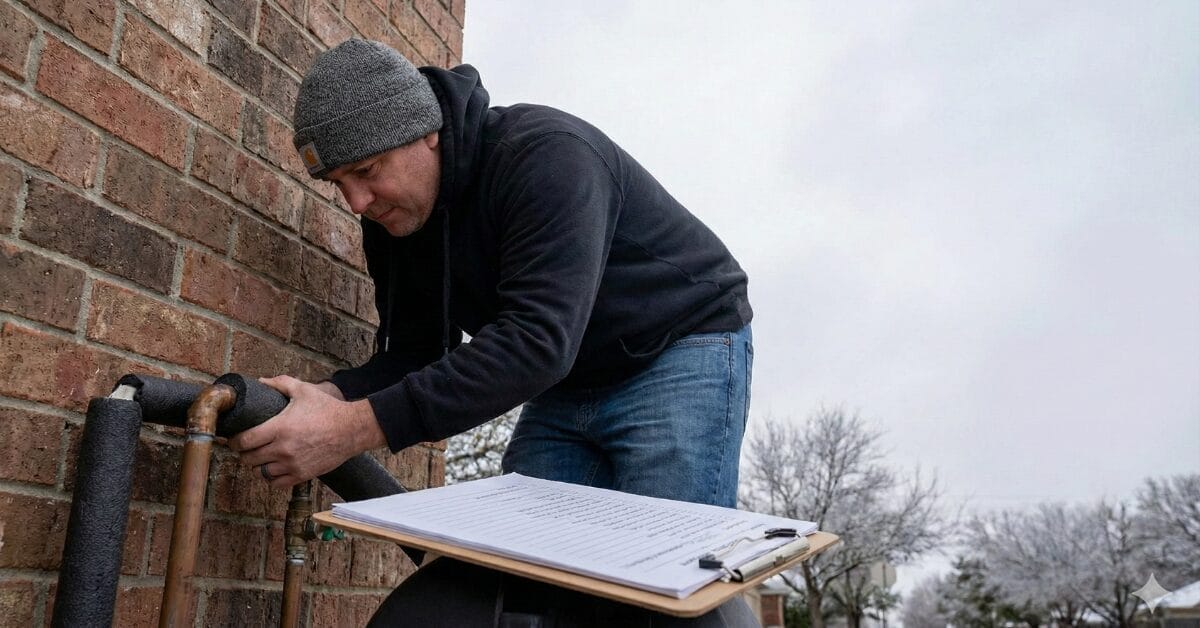
Pipes that are exposed to cold air are at higher risk. Wrap these pipes with insulation or foam sleeves. This helps retain heat and protect them from freezing.
Pay close attention to water supply lines running to outdoor faucets and sprinkler systems. Adding insulation to these pipes is a crucial part of winterizing pipes.
Install Outdoor Faucet Covers
Outdoor faucets can easily freeze if not protected. Cover each outdoor faucet with a weather resistant cover or insulated foam protector. These inexpensive covers shield the faucet and the connected pipe from cold air.
If you have hose attachments be sure to remove them first so the faucet cover sits snugly.
Disconnect and Drain Outdoor Hoses
Leaving hoses connected to outdoor faucets traps water in the pipe which can freeze and expand. Disconnect garden hoses and drain the water before storing them. After draining the hose shut off the shutoff valve inside your home if you have one.
This step is a key part of winterizing pipes especially when Waco winter weather arrives.
Shutoff and Drain Irrigation Systems
If you have an irrigation or lawn sprinkler system it should be shut off and drained before winter. Water left in the lines can freeze and damage pipes and sprinkler heads.
Follow manufacturer guidelines or call a professional plumber to blow out irrigation lines if needed.
Seal Drafts and Air Leaks
Cold air enters through gaps in walls floors and crawl spaces. Use weatherstripping and caulk to seal gaps around windows doors and other openings. This helps keep your home warmer and reduces the risk of pipe freezing.
Sealing drafts also improves energy efficiency making your home more comfortable and lowering energy costs.
Keep Garage Doors Closed
Garage spaces connected to your home may contain water supply lines. Keeping garage doors closed helps maintain slightly warmer indoor temperatures near plumbing. If pipes run through your garage consider adding insulation or heat tape to these areas.
Maintain Warm Indoor Temperatures
Keep your thermostat set at a consistent temperature throughout the winter months. Even when away from home it is wise to maintain enough heat to prevent interior pipes from freezing.
Set the thermostat no lower than 55 degrees Fahrenheit to create a temperature buffer that protects plumbing lines.
Open Cabinet Doors
Open cabinets in kitchens bathrooms and laundry rooms to allow warmer air to circulate around pipes. This simple tip improves airflow and reduces the chance of pipes near exterior walls freezing.
Let Faucets Drip During Extreme Cold
When temperatures dip extremely low letting faucets drip slightly helps keep water moving inside the pipes. Flowing water is less likely to freeze than still water.
This trick is especially useful during sudden cold snaps.
Advanced Methods for Winterizing Pipes
For added protection consider these advanced steps.
Use Heat Tape or Cable
Heat tape or cable wraps around pipes and uses low level heat to prevent freezing. It is especially useful for pipes in unheated areas. Follow the manufacturer instructions carefully and use products designed for plumbing protection.
If you are unsure which product fits your needs professional guidance is recommended.
Add Foam Pipe Insulation
In addition to basic insulation sleeves consider thicker foam insulation for areas with extreme cold exposure. Foam provides more thermal resistance which helps keep pipes warmer longer.
Focus on any exposed pipes in crawl spaces attics and exterior walls.
Install a Pipe Heating System
Some homeowners with extensive plumbing in cold zones install dedicated pipe heating systems that maintain temperature. These systems provide continuous warmth and add a robust layer of protection.
Professional plumbers can help assess whether this option is suitable for your home.
Signs Your Pipes May Be in Trouble
Even after winterizing pipes you should remain alert to warning signs that indicate a potential problem.
Reduced Water Flow
If water flow slows suddenly it could mean ice is forming inside a pipe. Reduced flow especially during cold weather should prompt inspection or professional help.
Strange Sounds From Pipes
Banging whistling or gurgling sounds may indicate pressure changes inside pipes due to freezing or blockages. If you hear unusual plumbing noises investigate promptly.
Frost or Ice on Exposed Pipes
Visible frost or ice on a pipe is a clear sign the pipe is extremely cold and could freeze completely. Act quickly to add insulation or seek professional help.
Unusual Odors or Discoloration
If water becomes discolored or smells odd it may indicate pipe corrosion or internal damage. Catching these issues early helps prevent larger problems.
What to Do If Your Pipes Freeze
If you suspect a frozen pipe act quickly to minimize risk.
Turn Off the Main Water Supply
Shut off the main water supply to prevent water pressure buildup if the frozen pipe bursts. Turning off water early reduces damage from leaks.
Apply Gentle Heat
Use a portable heater or hair dryer to warm the frozen area gradually. Do not use open flames or high heat sources that could damage the pipe or create fire hazards. Work slowly and carefully.
Call a Professional Plumber
If you are unsure or cannot locate the frozen area contact Smelscer Plumbing right away. Professional plumbers have the tools and experience to safely handle frozen pipes without risking greater damage.
Timing matters with frozen pipes. Responding quickly prevents costly repairs.
Benefits of Seasonal Plumbing Checkups
Winterizing pipes is part of broader preventive maintenance that includes seasonal plumbing checkups. Regular inspections help catch potential problems long before cold weather arrives.
A seasonal plumbing checkup may include:
Inspection of pipes water heaters fixtures and valves Evaluation of pressure changes Detection of leaks and early wear Recommendations for insulation and protection
This holistic approach saves money and eases worry knowing your system is prepared year round.
Preparing Plumbing Indoors and Out
Winterizing pipes involves both interior and exterior plumbing. Outdoor spigots irrigation systems and exposed pipes require careful preparation. Indoor pipes near exterior walls or in unheated spaces also need attention.
Think of winterizing as a whole home project that protects every part of your plumbing network.
Plumbing Accessories to Help Prevent Freezing
There are plumbing accessories that support your winterizing routine.
Pipe sleeves foam insulation covers and faucet protectors are easy additions that make a big difference. Thermostatically controlled heat cables add intelligent warmth to vulnerable lines. Preparing in advance with these tools simplifies winter care.
Energy Efficiency and Plumbing Care
Winterizing pipes does more than protect plumbing. It also improves your home’s energy efficiency. Sealing drafts and insulating areas around pipes reduces heat loss. Warm homes use less energy which benefits your comfort and finances.
Why Waco Homeowners Trust Smelscer Plumbing
At Smelscer Plumbing we focus on reliable service preventive maintenance and straightforward advice. We help homeowners prepare their plumbing systems for seasonal changes and avoid emergencies. From winterizing pipes to regular inspections we care about the long term health of your plumbing.
Our experienced technicians provide thorough checkups and personalized recommendations to keep your home protected through every season.
Common Misconceptions About Winterizing Pipes
There are several common ideas that can lead to mistakes when winterizing pipes.
Only Unheated Pipes Freeze
While unheated pipes are most vulnerable pipes inside exterior walls can freeze too if temperatures drop low enough. Preparing all exposed and semi exposed areas is crucial.
Small Leaks Are Not a Big Deal
Even small leaks can worsen quickly in winter. Water expands when it freezes which increases pressure and worsens cracks. Early repair is vital.
Running Water Alone Prevents Freezing
While letting water drip can help reduce freezing risk it is not enough on its own. Combining multiple winterizing strategies offers stronger protection.
Understanding these misconceptions helps you make smarter choices.
Tips for Year Round Plumbing Care
Winterizing pipes is part of broader preventive maintenance. Thinking year round helps keep your plumbing healthy and reliable.
Check for leaks regularly Maintain proper insulation Service water heaters Clean drains and traps Test shutoff valves Monitor water pressure
This routine helps prevent surprises and extends the life of your plumbing system.
Getting Ready for Spring After Winter
Once winter passes and temperatures rise you should check pipes again. Remove any temporary insulation and inspect exposed areas for signs of wear. Addressing seasonal changes in both directions keeps your system balanced and prepared for year round comfort.
Final Thoughts on Winterizing Pipes
Protecting your home by winterizing pipes is one of the most important preventive plumbing tasks you can take as a homeowner in Waco. This seasonal ritual safeguards your plumbing, prevents costly water damage and helps maintain the comfort and function of your entire home.
Following this preventive plumbing checklist prepares you for cold weather and keeps your system running smoothly. When you pair careful preparation with professional support from Smelscer Plumbing your peace of mind rises along with your home’s resilience.
Winterizing pipes is not just a task. It is a smart investment in your home’s future.