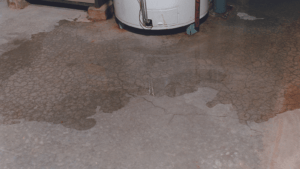
A burst pipe, overflowing toilet, or sudden leak can interrupt your day and leave you wondering what to do first. Some plumbing emergencies are obvious, with water spreading across the floor. Others begin with quieter warning signs, such as several drains backing up or the sound of running water behind a wall.
At Smelscer Plumbing, we help homeowners in Waco and surrounding communities address plumbing problems that threaten their homes and disrupt everyday routines. We believe knowing how to recognize an emergency is just as important as knowing whom to call.
This guide explains common urgent plumbing issues, what makes them serious, and practical steps you can take while arranging professional help.
What Counts as a Plumbing Emergency?
A plumbing problem usually requires urgent attention when it involves uncontrolled water, sewage entering your home, a potential safety hazard, or the loss of essential plumbing functions.
A dripping faucet generally allows time to schedule service. Water pouring from a broken supply line does not. A single slow drain may need routine cleaning, while wastewater backing up into several fixtures can indicate a more serious blockage.
We encourage homeowners to consider three questions:
- Is water or sewage actively escaping?
- Could the problem create an immediate safety risk?
- Can the affected fixture be isolated safely without disrupting essential household needs?
If you cannot contain the problem, or you are unsure whether the area is safe, call for guidance promptly. Avoid waiting for visible damage to spread before seeking help.
Burst Pipes and Broken Water Lines
A burst pipe can release water into cabinets, walls, ceilings, and flooring. The source may be an exposed pipe, a concealed supply line, or a connection that has failed.
Freezing conditions, corrosion, and physical damage can contribute to pipe failures. In Waco, preparing exposed plumbing before freezing weather is an important part of protecting a home.
Warning Signs to Watch For
An obvious spray of water is easy to recognize, but concealed pipe failures may produce less direct symptoms. Watch for a sudden pressure drop, rapidly spreading dampness, or the sound of water running when fixtures are off.
A ceiling stain that grows quickly also deserves immediate attention. Stay out from beneath bulging ceilings, and do not attempt to puncture or drain them yourself.
What We Recommend Doing First
If you can reach it safely, close your home’s main water shutoff valve. Knowing its location before an emergency can save valuable time.
Stay away from water near outlets, appliances, or electrical equipment. Do not enter standing water to reach a breaker panel or valve.
Once the water is stopped, contact us to arrange repairs. Plumbing repair addresses the source, but wet building materials may also require professional drying and restoration.
Overflowing Toilets
An overflowing toilet can spread contaminated water across bathroom floors and into nearby rooms. A blockage in the toilet may be responsible, although an obstruction farther along the drain system can produce similar symptoms.
Repeated flushing usually makes the situation worse.
Stop Additional Water
If accessible, turn the toilet’s supply valve clockwise to stop water entering the tank. Do not force a valve that is stuck or badly corroded.
Closing this valve can help with an overflow caused by repeated flushing or a tank that keeps filling. However, it will not stop sewage backing up through the toilet from a blocked sewer line.
Keep children and pets away from the affected area, and avoid contact with wastewater.
Know When to Stop Troubleshooting
For a simple clog without an active overflow, a toilet plunger may help. Stop if the water continues rising, other fixtures begin backing up, or the toilet repeatedly clogs.
We recommend professional evaluation when the cause is unclear, especially if the home has only one usable toilet. Repeated blockages should be investigated rather than treated as an unavoidable inconvenience.
Sewer Backups and Multiple Clogged Drains
A sewer backup is one of the plumbing emergencies that requires especially careful handling. Wastewater may come up through a shower, bathtub, floor drain, or toilet when it cannot move through the drainage system properly.
The key warning sign is often the number of fixtures affected.
One slow sink may have a localized clog. Several slow drains, toilets that gurgle when other fixtures run, or water appearing in a shower when you flush can suggest a shared drain or sewer line problem.
Stop Using Water Throughout the Home
If you suspect a sewer backup, stop flushing toilets and avoid running sinks, showers, washing machines, and dishwashers. Additional water can increase the amount of wastewater entering the home.
Keep everyone away from contaminated areas. Avoid pouring chemical drain cleaners into the system or trying to open a sewer cleanout yourself, since trapped wastewater may escape.
Our drain cleaning and sewer line repair services address problems within these systems. The appropriate repair depends on the location and cause of the obstruction, so identifying the underlying issue matters.
Leaking Water Heaters
Water around a water heater should not be ignored. The source could be a connection, valve, nearby pipe, or the tank itself. Because water can travel across surfaces, a puddle does not always reveal where the leak began.
A small amount of moisture needs investigation. A steady flow, expanding puddle, or water approaching electrical equipment calls for urgent attention.
Approach the Area Carefully
Keep clear of hot water and wet electrical components. If the heater is leaking, call for guidance on safely isolating its water and energy supplies. Only operate clearly identified controls when the area is dry, accessible, and safe.
Never cap, plug, or block a water heater’s temperature and pressure relief valve or its discharge pipe. These components perform an important safety function.
We can assess water heater problems and determine whether repair or replacement is appropriate.
Is Having No Hot Water an Emergency?
Loss of hot water does not always carry the same urgency as an active leak. However, it can significantly affect a household, particularly when hot water is essential for care needs.
Tell us whether the problem involves leaking, unusual sounds, an error message, or a complete loss of hot water. These details help us understand the situation.
Hidden Leaks and Suspected Slab Leaks
Some leaks develop beneath a concrete slab or behind finished surfaces. You may notice their effects before you see any water.
Possible warning signs include unexplained moisture, a warm area on the floor, the sound of running water when fixtures are off, or an unexpected increase in water usage.
These signs do not prove that a slab leak exists. Other plumbing problems can cause similar symptoms, which is why inspection is important.
When a Hidden Leak Becomes Urgent
Prompt attention is especially important when flooring becomes wet, water spreads into living areas, or pressure drops suddenly.
If you suspect an active supply leak and can safely close the main shutoff valve, doing so may limit further water loss. Avoid opening walls or breaking into flooring based only on a suspected location.
Our slab leak repair services help address leaks beneath the home. Locating the problem before deciding on repairs helps avoid unnecessary disruption.
Broken Washing Machine Hoses and Fixture Supply Lines
A failed washing machine hose or supply line beneath a sink can release water quickly. These connections are often tucked away, making early signs of deterioration easy to miss.
Water may collect behind an appliance or inside a cabinet before it spreads into a visible area.
Isolate the Affected Connection
If the local shutoff valve is accessible and safe to operate, turn off the water to that fixture. If the valve will not close or the leak continues, use the main shutoff valve instead.
Do not move heavy appliances through standing water or touch wet plugs and outlets.
We recommend checking visible supply connections periodically for moisture, corrosion, bulging, or damaged fittings. Replacing a deteriorating connection during scheduled maintenance is easier to manage than discovering a failure while the house is empty.
Frozen Pipes During Cold Weather
A faucet that produces little or no water during freezing weather may indicate a frozen pipe. However, a closed valve or water service interruption can cause similar symptoms.
Freezing can damage plumbing, and a leak may become apparent only when the ice begins to thaw.
If you suspect a frozen pipe, locate the main shutoff valve and call for guidance. Do not use a torch, open flame, or other intense heat source to thaw plumbing.
If you discover a split pipe or water starts escaping, shut off the water if safe.
Before cold weather arrives, disconnect outdoor hoses, protect exposed pipes, and address vulnerable plumbing areas. We recommend preparing early so you are not trying to identify unprotected lines during a freeze.
Sudden Loss of Water or a Major Pressure Drop
A sudden loss of water deserves investigation, but it does not automatically mean a pipe has burst.
Start by determining whether the problem affects one fixture or the entire home. If only one faucet has weak flow, the issue may be limited to that fixture. If every fixture is affected, a supply problem may be involved.
Check for a reported utility interruption and look for visible signs of leakage without entering unsafe areas.
A pressure drop accompanied by running water sounds, indoor flooding, or an unusually wet section of the yard needs prompt attention. Let us know when the change began and whether you have noticed moisture elsewhere.
What to Do While Waiting for Our Team
During plumbing emergencies, your first priorities are safety and limiting further damage. You do not need to diagnose the entire problem before calling.
If conditions are safe, these steps can help:
- Stop the water source. Use a fixture valve or the main shutoff valve when appropriate.
- Stop using affected plumbing. For suspected sewer backups, stop water use throughout the house.
- Keep the area clear. Move people and pets away from wastewater, electrical hazards, and damaged ceilings.
- Protect accessible belongings. Move dry items only when you can do so without entering an unsafe area.
- Document visible damage. Photos can help explain what happened, but never delay urgent action to take them.
When contacting us, describe where the problem is occurring, whether water is still flowing, and which fixtures are affected. Mention any chemical drain products you have used so our team knows what may be present.
Reduce the Risk of Future Plumbing Emergencies
Not every failure can be prevented, but routine attention can reveal problems before they become disruptive.
Learn where your shutoff valves are located and keep access clear. Ask for help with valves that are difficult to operate rather than forcing them.
Address recurring clogs, unexplained moisture, and pressure changes. Avoid flushing wipes, paper towels, and hygiene products, and keep grease out of kitchen drains.
We also recommend inspecting visible hoses and connections, following water heater maintenance requirements, and preparing exposed pipes for cold weather. Small problems are easier to overlook when fixtures still work, but repeated warning signs deserve attention.
Call Smelscer Plumbing for Emergency Help in Waco
Recognizing plumbing emergencies early can help you protect your home and make clearer decisions under pressure. Uncontrolled leaks, sewage backups, and rapidly spreading moisture should receive prompt attention.
At Smelscer Plumbing, we provide 24/7 emergency plumbing service for Waco and surrounding Central Texas communities. Our services include drain cleaning, water and sewer line repair, water heater service, and slab leak repair.
If an urgent plumbing problem interrupts your day, call us at (254) 749 7955. Tell our team what you are seeing so we can help you take the next step.