If your morning shower turns cold halfway through, one of the most useful things to know is whether hot water still reaches the bathroom sink. A hot sink and a cold shower give us a different place to start than cold water at every faucet. That simple observation can help narrow down whether you need water heater repair or attention to a single fixture.
At Smelscer Plumbing, we help Waco homeowners figure out why their hot water has changed and what it will take to restore it. You can give us a helpful head start without opening the heater or touching its controls. Here is what to look for, which symptoms deserve a prompt call, and what to consider if you have a choice between repairing your unit and replacing it.
When a Water Heater Problem Needs Immediate Attention
If you smell gas, take everyone outside immediately. Leave switches, phones, appliances, and gas valves alone as you go. Once you are a safe distance from the home, call 911 and your gas utility. Wait for responders to say it is safe to return. If a carbon monoxide alarm sounds, get everyone outside and call 911 from there, even if you do not smell gas.
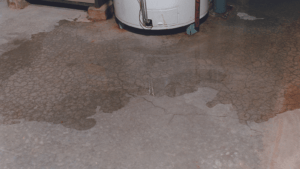
A water leak calls for a different response. If water is spreading around the heater, keep people away from the area and call for plumbing help promptly. Stay out of standing water near electrical equipment. If water is coming from the pipe attached to the temperature and pressure relief valve, keep clear of the outlet. The discharge can be hot enough to burn, and that pipe must remain open so the valve can do its job.
Unexpectedly hot water also deserves prompt attention. If water that was comfortable yesterday is suddenly scalding today, stop using the affected fixture and let others in the house know. Tell us whether you noticed the change at one tap or several. There is no reason to test additional faucets by hand or adjust the heater to gather more information.
Water Heater Repair Starts With Knowing Which Fixtures Are Affected
When Only One Shower Runs Cold
Suppose your shower barely gets warm, but the sink beside it still delivers hot water as usual. That tells us hot water is reaching the bathroom. One possible cause is the shower valve, which mixes hot and cold water behind the handle. If that valve no longer mixes them correctly, adjusting the temperature at the heater could make water hotter elsewhere while leaving the shower problem unresolved.
Think about what changed just before you noticed the issue. If the shower has never gotten warm enough since a new handle or valve was installed, mention that when you call. If it worked well for years and changed suddenly, tell us that instead. Those two histories point us toward different checks, even though the complaint sounds the same.
When Every Hot Tap Runs Cold
If the kitchen, bathroom sinks, and showers all lose hot water, the heater or a problem common to the hot water supply deserves a closer look. Note whether the water is completely cold or gets lukewarm and stays there. Also mention whether the change followed a power outage, plumbing work, or a period when the house was empty.
If your unit has a display you can see safely, write down the exact message or take a picture before it disappears. Leave covers in place and avoid repeatedly resetting the unit or its breaker. An error message, together with the model number, gives us more to work with than a guess about which part failed.
When It Takes Longer for Hot Water to Arrive
There is a difference between waiting for hot water and running out of it. If your kitchen sink gets hot quickly but a distant bathroom takes longer, the cooled water sitting in that longer stretch of pipe has to clear first. The useful question is whether the delay has always been there or whether a familiar tap suddenly takes much longer than it used to.
When you call Smelscer Plumbing, describe what happens after the wait. “It takes a minute, then stays hot for the whole shower” tells us something different from “It starts hot, goes cold, and never warms back up.” You do not need a precise temperature reading to explain that distinction.
Why Your Hot Water May Run Out Sooner
A Storage Tank Needs Time to Heat the Next Supply
A conventional tank holds a supply of heated water. As you use it, cold water enters the tank and the heater needs time to bring the incoming water up to temperature. If the dishwasher, washing machine, and two showers all need hot water around the same time, the last person in line may notice a difference.
Compare the problem with an ordinary day in your home. One cold shower during a weekend with holiday guests may reflect a busy morning. If the first shower of the day now runs cold after five minutes, even though nobody has used hot water since the night before, that is a change worth investigating. On some electric tank models, for example, a failed heating element can leave you with a small amount of hot water even though the tank looks normal from the outside.
We recommend describing the change before assuming you need a larger unit. A heater that comfortably served the same household until last week presents a different question from one that has struggled ever since a second bathroom was added.
A Tankless Heater Responds to How Much Water Is Flowing
A tankless unit heats water as it passes through. If a shower stays comfortable until a second shower starts, tell us whether the temperature recovers when the second one stops. The amount of hot water the household draws at once matters when we evaluate a tankless system.
A different pattern can show up at a single sink. If the water turns cool only when the hot tap is barely open, but warms up at a steadier flow, mention that detail. Tankless units need a minimum flow to operate, and the pattern can help us decide what to check. If the display shows a code during the interruption, include it in your service request. Codes vary by model, so the exact letters and numbers are useful.
What Leaks, Sounds, and Water Color Can Tell You
Water Around the Base of the Heater
A puddle at the bottom of a tank does not tell you where the leak began. Water from a fitting above the heater can run down the outside and collect at the base. A drain valve can also leak. Those problems call for a different repair decision than water escaping through the wall of the storage tank itself.
From a dry, safe spot, notice where water is visible. A wet line down one side, a drip from an overhead connection, or water collecting in the drain pan are all details worth passing along. Leave the fittings and valves for the plumber to inspect. If the tank itself has failed, replacement is generally the practical solution. If the leak begins at a serviceable connection, you may be able to keep the heater.
A New Popping or Rumbling Sound
Mineral sediment can settle at the bottom of a storage tank and contribute to popping or rumbling as the water heats. The timing is useful. A rumble from the heater after a shower gives us a different clue than a sharp knock in a wall the instant the washing machine stops filling.
If the heater has started making a new sound, note when it occurs and whether your hot water supply has changed along with it. We can review the condition of the unit and its service history before recommending maintenance. Opening the drain on a hot tank just to see what comes out can expose you to scalding water.
Discoloration at the Hot Tap
If you notice rusty looking water, pay attention to whether it appears on the hot side, the cold side, or both. Discoloration limited to hot water can point us toward the heater or hot water piping. If the cold water looks the same, the source may be elsewhere in the plumbing or incoming supply.
It also helps to know whether the color appears only at one seldom used sink or at several fixtures during normal use. Color alone cannot tell you the tank needs replacement. The location, timing, and condition of the equipment give us a better basis for that recommendation.
How We Help You Decide Between Repair and Replacement
A repair can make sense when we can identify a specific failed part and the rest of the heater is in serviceable condition. A leaking connection or a faulty heating element is a different situation from a corroded tank that can no longer hold water. Ask us to explain where the problem starts, what the proposed repair will correct, and whether we see any separate concerns.
Age is useful context, especially if you have paid for several repairs, but your service history tells a fuller story. If you have the installation date, previous invoices, or manufacturer warranty paperwork, have them handy. Knowing that a part was recently replaced can affect what needs to be checked and which questions are worth asking about coverage.
If replacement makes more sense, tell us what worked well about the old unit and what you would change. A household that wants to run two showers at once has a more specific goal than simply wanting “more hot water.” At Smelscer Plumbing, we use those details to discuss equipment that fits the way your home actually uses water.
What to Have Ready When You Call
You can request service even if you know very little about the equipment. If the heater is safely accessible, a few details can make the conversation easier.
- Where the problem occurs. Tell us which fixtures are affected and whether the cold water flow seems normal.
- When it happens. Mention whether it starts with the first use of the day, after several showers, or when another fixture turns on.
- What you can see. Share a visible error code, the location of a drip, or a photo of the model label if you already have one.
- What changed recently. Let us know about plumbing work, a power interruption, a change in household demand, or a previous repair.
Often the most helpful detail is the one only you would know, such as “We have followed the same morning routine for years, and this started Tuesday.” That gives us a clear point of comparison when we inspect the system.
Schedule Water Heater Repair in Waco With Smelscer Plumbing
If your hot water has become unreliable, you do not need to identify the failed part before asking for help. Tell us what changed, where you noticed it, and whether you have seen water around the unit. We provide water heater repair, maintenance, replacement, and installation for Waco homeowners, including service for tankless systems.
Call Smelscer Plumbing at (254) 749 7955 to request a service. We can check the source of the problem, explain your options, and help you decide what makes sense for your home.